Cart 0
How to Identify Cigar Flavors Like an Expert
Anyone can Smoke a Cigar. Fewer people can actually taste one. The difference between a casual smoker and a true connoisseur often comes down to vocabulary and attention: the ability to notice subtle shifts in flavor, name what you’re experiencing, and understand why those notes are there in the first place. The good news is that developing this skill isn’t about having a rare gift. It’s a learnable process, much like wine or coffee tasting, built through practice, patience, and a little bit of structure.
Start With the Wrapper
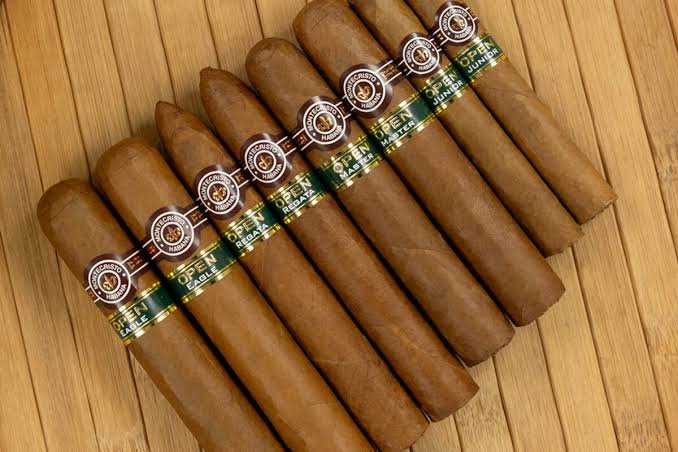
Before you even light your cigar, the wrapper leaf offers your first clue about what to expect. Wrapper color, often ranked on a scale from pale Claro to nearly black Oscuro, has a strong correlation with flavor intensity and sweetness.
- Claro/Connecticut Shade wrappers tend to be lighter, offering creamy, nutty, and mild flavors.
- Colorado/Habano wrappers sit in the middle, often delivering notes of coffee, cedar, and light spice.
- Maduro wrappers, aged longer and darker, typically bring sweeter, richer flavors like chocolate, dried fruit, and molasses.
- Oscuro wrappers, the darkest and most intensely fermented, often deliver bold, earthy, sometimes espresso-like or peppery characteristics.
Before lighting up, take a moment to smell the wrapper itself. A dry pull, gently drawing air through an Unlit Cigar, can also hint at what’s to come, often revealing notes of wood, leather, or sweetness before you’ve even struck a match.
Understand the Three Stages of a Smoke
Expert tasters pay attention not just to overall flavor, but to how that flavor evolves. Most cigars are structured in three general phases:
The first third tends to introduce the Cigar’s Foundational Flavors, often lighter and more approachable, giving you your baseline reading of the blend.
The second third is typically where complexity builds. This is often where spice, sweetness, or deeper woody and earthy notes begin to emerge as the cigar heats up and burns through different tobacco leaves within the blend.
The final third frequently delivers the most intense flavors and the highest concentration of nicotine, since heat and oils concentrate as the cigar burns down. Some cigars finish strong and bold, while others mellow out unexpectedly.
Tracking these transitions, and noting when and how the flavor shifts, is one of the clearest signs of an experienced palate at work.
Train Your Palate With a Flavor Wheel
Professional tasters, whether in wine, coffee, or cigars, rely on structured flavor wheels to organize what they’re tasting into recognizable categories. For cigars, common categories include:
- Earthy: leather, soil, wood, cedar
- Sweet: honey, caramel, chocolate, dried fruit
- Spicy: black pepper, cinnamon, clove
- Nutty: almond, roasted peanut, hazelnut
- Roasted: coffee, espresso, toast
- Herbal/Floral: hay, grass, tea, light floral notes
When tasting, try to place what you’re experiencing into one or more of these categories rather than reaching for vague descriptors like “good” or “strong.” Instead of simply saying a cigar tastes rich, ask yourself: is that richness closer to chocolate, coffee, or something more like leather and wood? Specificity is what separates casual impressions from expert-level tasting.
Use Retrohaling, Not Just Tasting
One of the most underused techniques among casual smokers is retrohaling, exhaling smoke gently through the nose after drawing it into your mouth. Much of what we perceive as “taste” is actually smell, and retrohaling activates olfactory receptors that your tongue alone can’t access. This technique often reveals aromatic layers, like floral or spice notes, that are otherwise missed if you only draw smoke through your mouth and exhale through your nose immediately.
Start slowly if you’re new to this, as retrohaling can feel intense at first. Even a small amount of practice can dramatically expand the range of flavors you’re able to detect.
Pay Attention to Body, Strength, and Flavor Separately
Many beginners conflate three distinct qualities: body, strength, and flavor. Understanding the difference is key to describing cigars accurately.
- Body refers to the overall weight or fullness of the smoke on your palate, ranging from light to full-bodied.
- Strength refers to the nicotine impact, how much of a physical effect the cigar has, which is independent of flavor intensity.
- Flavor refers to the actual taste notes present, regardless of how strong or full-bodied the smoke feels.
A cigar can be full-bodied and rich in flavor but relatively mild in strength, or vice versa. Learning to separate these three dimensions when evaluating a cigar is a hallmark of a more advanced palate.
Keep a Tasting Journal
Professional tasters in every field, wine, whisky, coffee, cigars, rely on notes because memory is unreliable and flavor perception is highly contextual. Keeping a simple journal with the cigar’s name, wrapper type, and notes on aroma, flavor transitions, body, and strength will help you build a personal reference library over time. Over months of consistent note-taking, you’ll likely start noticing patterns, perhaps you consistently enjoy Nicaraguan-grown tobaccos, or find that Maduro wrappers suit your palate better than lighter Claros.
Practice Comparative Tasting
Just as wine tastings often involve sampling multiple bottles side by side, one of the fastest ways to sharpen your cigar palate is to smoke two different cigars in the same sitting, alternating a few puffs between each. This comparative approach makes subtle differences far more obvious than tasting cigars in isolation across different days, since your palate has an active reference point to compare against in real time.
Identifying cigar flavors like an expert isn’t about having an extraordinary palate from birth, it’s about paying closer attention, using the right vocabulary, and practicing consistently. Start with the wrapper, track how flavors evolve through the three stages of the smoke, use retrohaling to unlock aromatic complexity, and separate body, strength, and flavor as distinct qualities. Over time, what once felt like vague impressions will sharpen into precise, confident tasting notes.