Cart 0
Davidoff vs Cuban Cigars: What Changed?
Ask any cigar enthusiast to name the two most recognizable names in premium tobacco, and Davidoff and Cuba will almost certainly come up. What many newcomers don’t realize is that these two names were once deeply intertwined, only to split apart in a divorce that reshaped both brands forever. Understanding this history helps explain why Davidoff and Cuban Cigars, despite sharing an origin story, now represent two very different philosophies of what a premium cigar should be.
The Original Partnership
The Davidoff name traces back to Zino Davidoff, a Swiss tobacconist whose family had emigrated from Ukraine and opened a small tobacco shop in Geneva in the early 20th century. Zino developed a reputation as one of the most respected connoisseurs in the cigar world, and by the 1960s, his shop had become a pilgrimage site for cigar lovers across Europe.
In 1968, Zino Davidoff struck a deal with Cubatabaco, the Cuban state tobacco company, to produce a line of cigars exclusively for his shop, made in Cuba, using Cuban tobacco, but sold under the Davidoff name. These cigars quickly became legendary, prized for their exceptional consistency and mild, refined character, distinct from many of the bolder Cuban brands of the era. For nearly two decades, “Davidoff” effectively meant Cuban tobacco with a Swiss stamp of quality control.
The Breakup: Quality Control and Politics
By the mid-1980s, cracks began to show in the relationship. Zino Davidoff and his business partners grew increasingly frustrated with inconsistencies in quality coming out of Cuban factories. Reports from that era describe entire shipments being rejected because they failed to meet the exacting standards Davidoff had built his reputation on. For a brand built on precision and consistency, unpredictable quality was an existential threat.
There were also broader tensions. Cuba’s centralized, state-run production model meant limited flexibility for a foreign brand demanding tighter oversight, and the political climate surrounding Cuban trade made long-term planning difficult for a Swiss company trying to serve international markets, including the U.S. market, which had been closed off by the embargo since 1962.
In 1990, after years of disputes, Davidoff formally ended its relationship with Cuba. It was a seismic moment in the Cigar World. Rather than fold, Davidoff relocated its production to the Dominican Republic, partnering with the Fuente family and later establishing its own state-of-the-art factory to maintain complete control over cultivation, fermentation, and rolling.
Two Different Paths After the Split
This split set both parties on distinct trajectories.
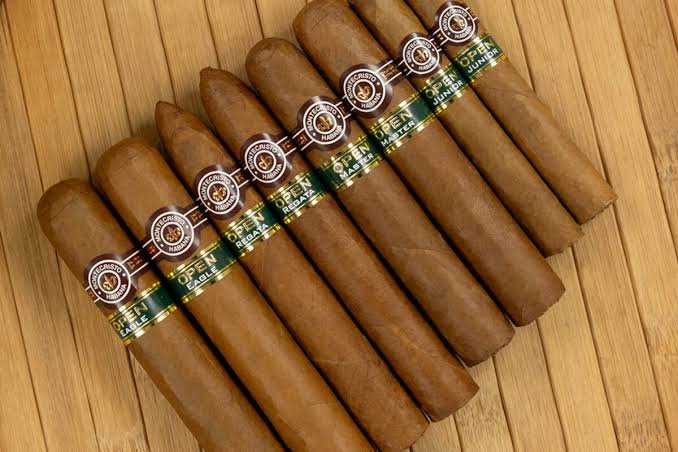
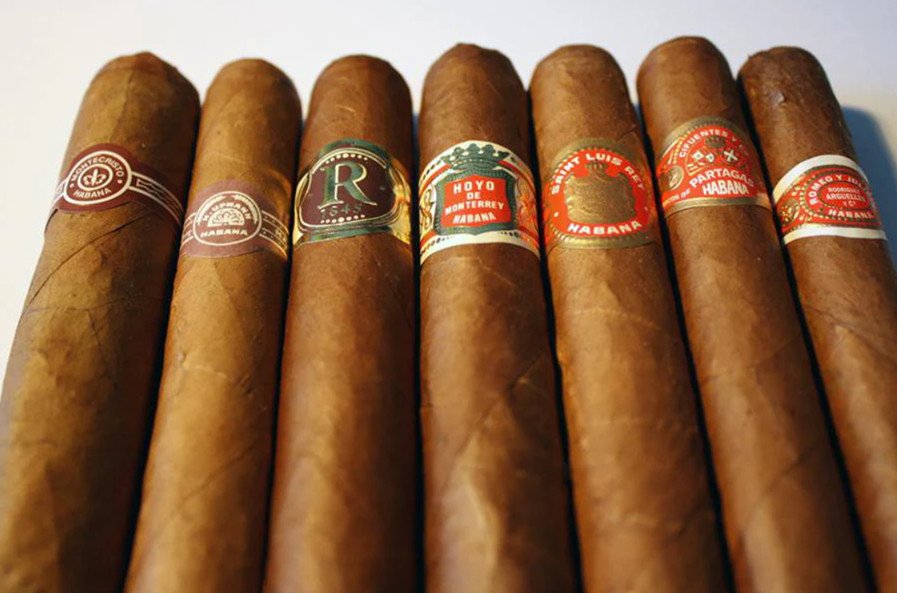
Cuba continued producing cigars under its own storied brands: Cohiba, Montecristo, Partagás, Romeo y Julieta, and others, through Habanos S.A., the entity formed in 1994 to manage global Cuban cigar exports. Cuban cigars retained their reputation for bold, earthy, complex flavors shaped by the island’s unique terroir, a quality that remains impossible to replicate elsewhere, no matter how skilled the grower.
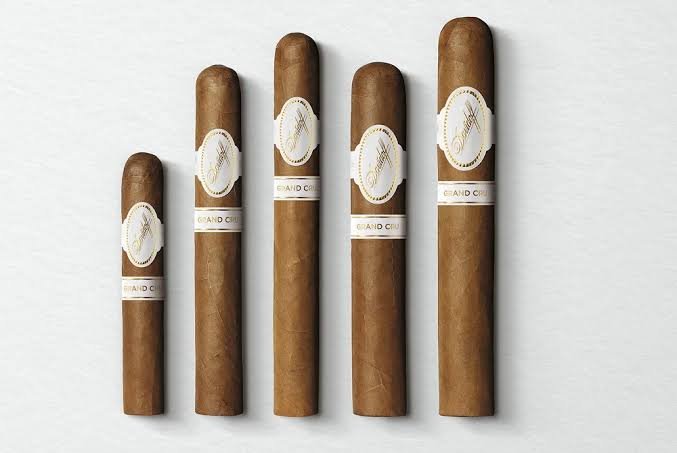
Davidoff, meanwhile, doubled down on precision manufacturing outside Cuba. Freed from the constraints of state control, Davidoff built a vertically integrated operation in the Dominican Republic, controlling everything from seed selection to the final wrapper leaf. This allowed for exceptional consistency, batch after batch, something the brand had struggled to guarantee under the Cuban arrangement.
What Actually Changed in the Cigars Themselves
The most noticeable change was flavor. Cuban Tobacco, grown in the mineral-rich soil of regions like Vuelta Abajo, tends to produce cigars with earthy, leathery, sometimes spicy notes and a distinctive character that connoisseurs often describe as impossible to fully replicate. Dominican and other non-Cuban tobaccos tend to offer smoother, creamier, and often sweeter profiles, especially when paired with Connecticut or Ecuadorian wrapper leaves.
Post-split Davidoff cigars leaned into this smoother profile, emphasizing balance, refinement, and approachability rather than the raw intensity often associated with traditional Cuban blends. This made Davidoff especially appealing to newer cigar smokers or those who preferred a milder, more consistent smoking experience, while Cuban cigars retained their appeal among purists seeking bold, terroir-driven complexity.
Availability and Market Access
Another major difference lies in where these cigars can legally be sold. Cuban cigars remain banned from import into the United States due to the ongoing trade embargo, meaning American consumers must rely on international travel or duty-free purchases to obtain authentic Habanos, and doing so for personal import remains legally restricted.
Davidoff, by contrast, having moved production to the Dominican Republic, faces no such restrictions. This single factor has made Davidoff one of the most accessible ultra-premium cigar brands worldwide, available in the U.S. and virtually everywhere else, giving it a significant commercial advantage that Cuban brands simply cannot match in certain markets.
Which One Is “Better”?
This is where cigar enthusiasts tend to divide into camps, and honestly, there’s no objectively correct answer. Cuban cigar loyalists argue that nothing replicates the complexity and heritage of authentic Cuban terroir, viewing Habanos as the true benchmark of the craft. Davidoff fans counter that consistency, refinement, and accessibility matter just as much as raw intensity, and that Davidoff’s meticulous production process delivers a more reliably Excellent Smoking Experience every single time.
The truth is that both brands represent mastery, just filtered through different philosophies. Cuba represents tradition, terroir, and the romance of an island whose tobacco has shaped global cigar culture for centuries. Davidoff represents precision engineering applied to an agricultural craft, proof that world-class cigars can be built methodically outside of Cuba’s borders.
Final Thoughts
The Davidoff and Cuban cigar split wasn’t just a business breakup, it was a turning point that proved premium cigars didn’t need to originate in Cuba to earn global respect. Both paths, the terroir-driven boldness of Havana and the engineered consistency of Davidoff’s Dominican operation, have earned their place among the world’s finest cigars.